Garden of the Month – January 2026: Cantigny Park
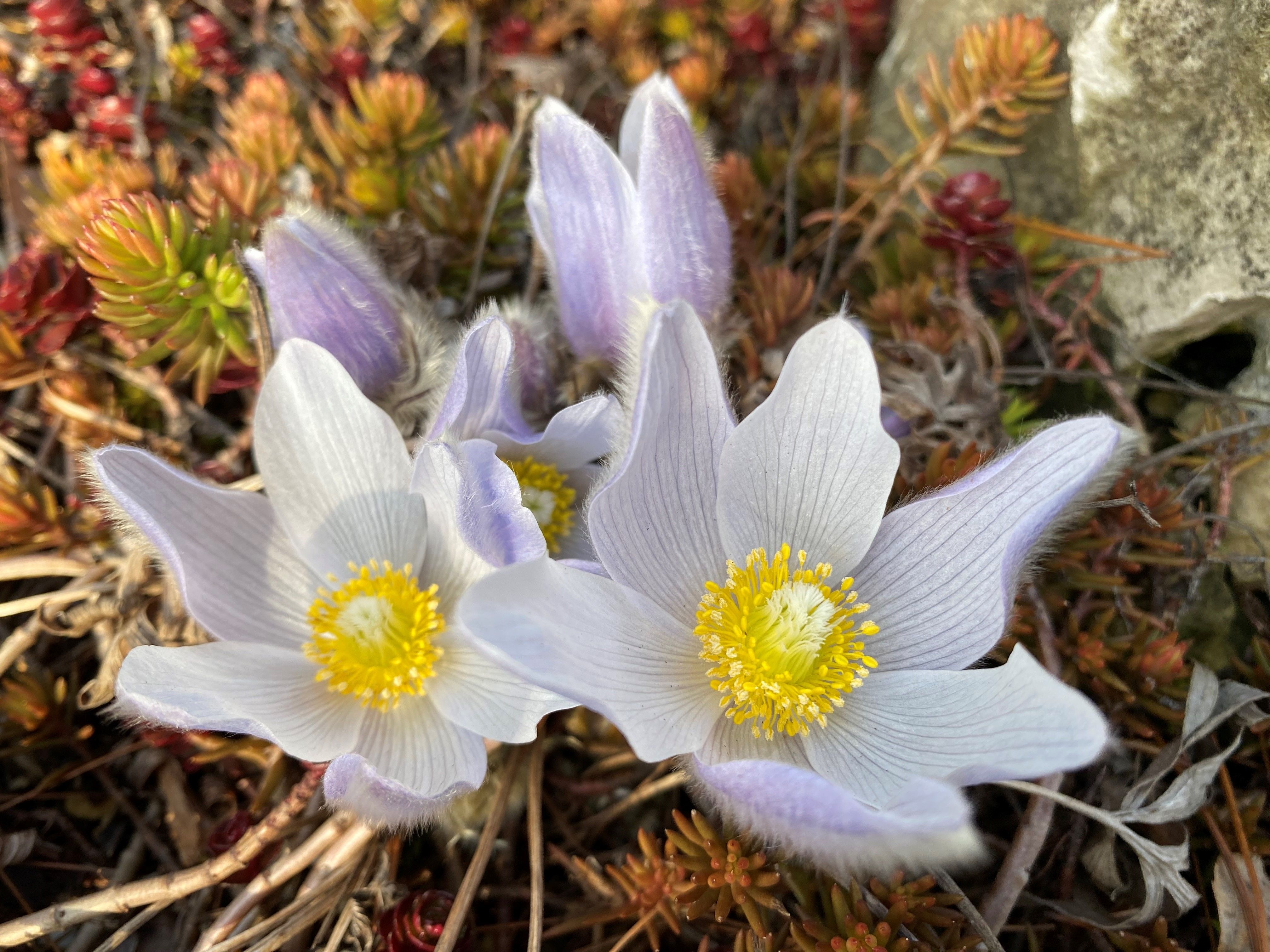
We’re starting the 2026 Garden of the Month series with Cantigny Park – what a great place to begin!
Cantigny has a long history of testing ideas and paying attention to how things actually work on the ground. That comes through not just in the gardens themselves, but in the decisions about how plant knowledge is gathered, kept, and passed on.
The piece below looks at how that way of working is shaping the gardens today and setting them up for what comes next.
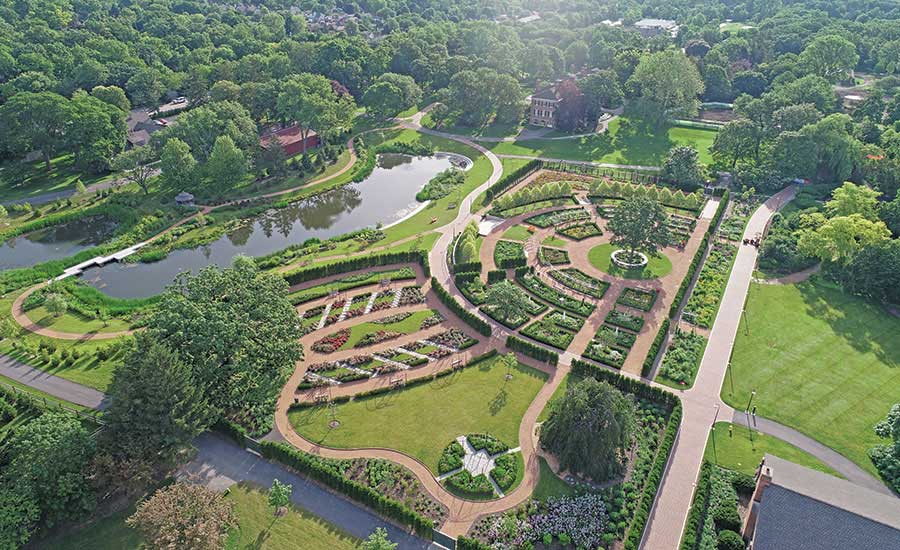
Nestled in Wheaton, Illinois, Cantigny is a place where history, horticulture, and people converge. Spread across 500 acres once owned by Colonel Robert R. McCormick, longtime editor and publisher of the Chicago Tribune, the estate still reflects the spirit of exploration, experimentation, and generosity that defined McCormick’s life. Today, nearly 40 acres of gardens weave through 180 acres of parkland. These gardens continue to evolve, shaped not only by horticultural vision but also by the quiet, essential work of plant record-keeping. And in recent years, a new chapter of that story has begun with the adoption of Hortis.
A Place Rooted in History
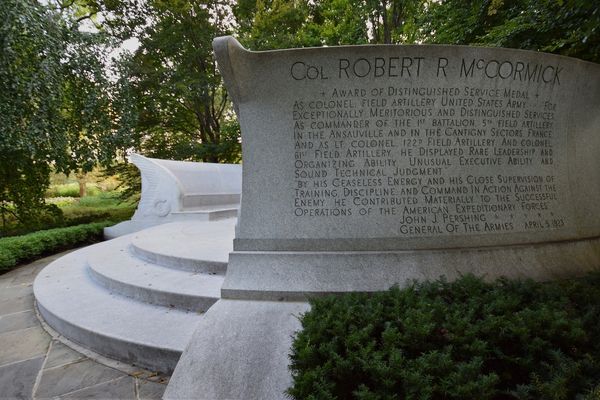
Robert R. McCormick was born in 1880, and by the 1920s he had made Cantigny his home. He renamed the estate after a small village in France where he commanded an artillery battalion during World War I. The Battle of Cantigny in May 1918 was the first American victory of the war, and it left a lifelong impression on McCormick.
Though he is best remembered as a newspaper publisher, McCormick was also an agricultural investigator at heart. In the 1930s, he turned sections of his property into an experimental farm, testing crop varieties, farming methods, and horticultural ideas long before such curiosity-driven experiments were common on private estates.
When McCormick died in 1955 at age 74, he left behind more than land. His will directed that Cantigny become “a public space for recreation, instruction, and welfare.” This profound gift became part of the Robert R. McCormick Foundation, which continues to steward the estate for the community, welcoming more than 400,000 visitors each year. McCormick is interred on the property in a classical exedra featured among beech and magnolia trees.
The Birth and Growth of the Gardens
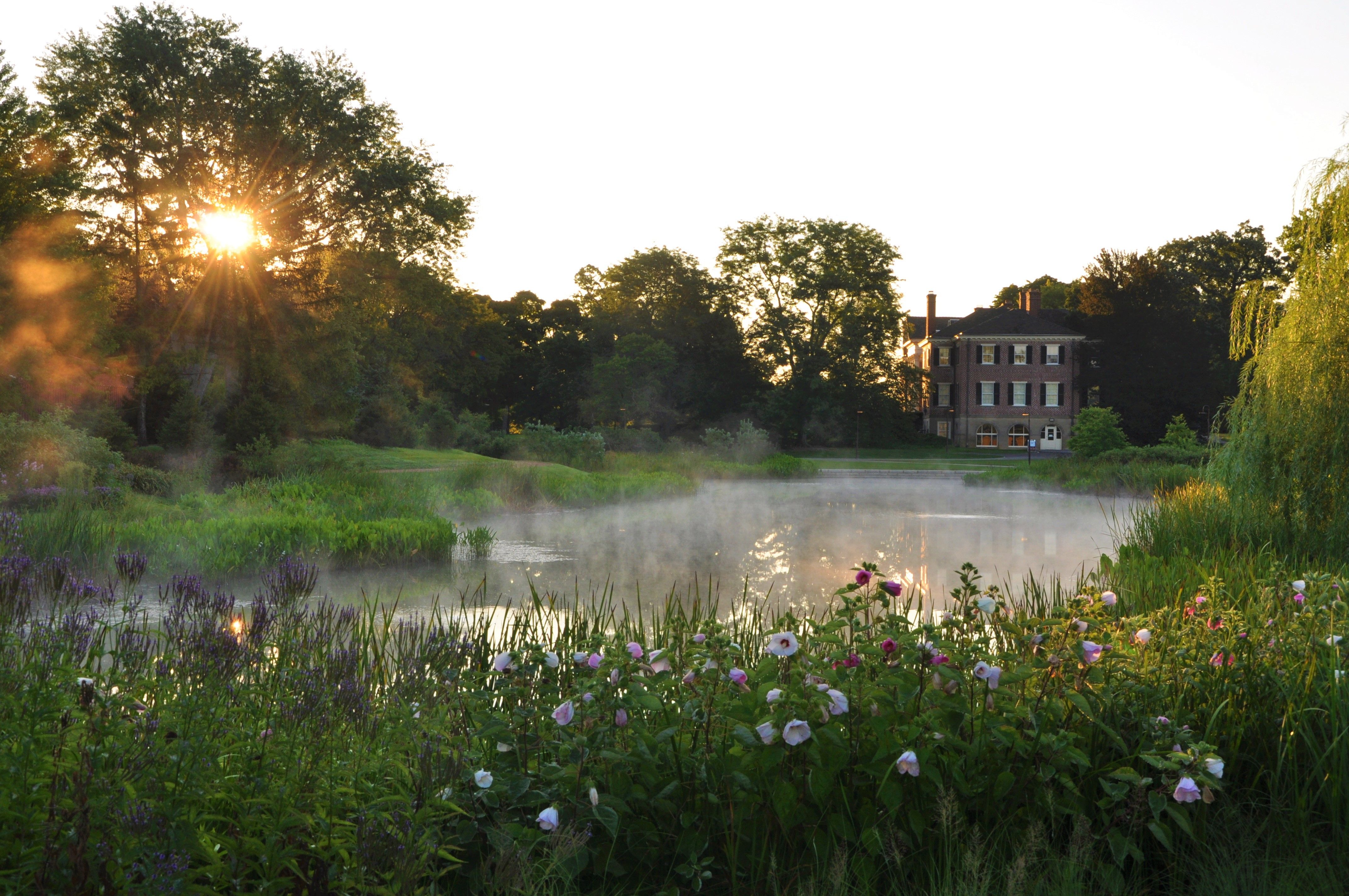
Cantigny Park officially opened to the public in 1958. The formal display gardens that Cantigny is known for today began in 1967, when landscape architect Franz Lipp designed the estate’s first structured horticultural spaces. Over the decades, these gardens expanded into an impressive mosaic of themed plantings, water features, and collections. Today, there are 14 named garden areas, including the Rose Garden, Rock Garden, Upper Formal Garden, Idea Garden and the Perennial Border.
Plant Record Keeping Then and Now
Cantigny’s horticultural staff have always been dedicated to good stewardship, but for many years, plant recordkeeping was far from centralized. Information lived in notebooks, handwritten tags, old invoices, and the memories of individual staff members.
About a decade ago, the forestry department began using a GPS-based database to inventory the estate’s trees and shrubs. While this was a step forward, the horticulture department didn’t have access to the system, and the data remained siloed.
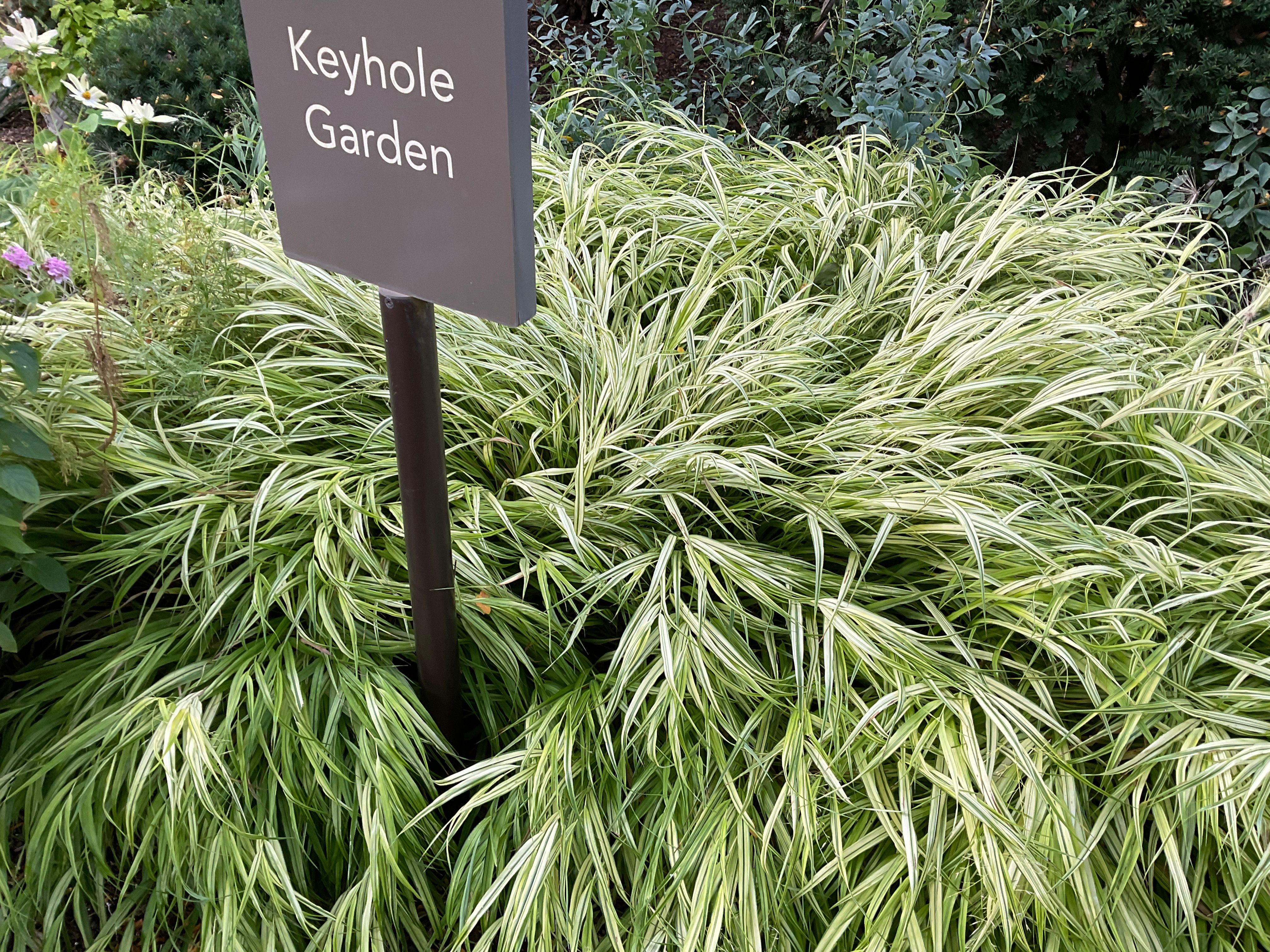
Three years ago, all tree and shrub records were uploaded into Hortis, making them usable not only across our horticulture team but also accessible to the public. At the same time, we began the enormous task of documenting the remainder of our living collection – perennials, small shrubs, and ornamental species – collecting decades of scattered information into one cohesive, digital home. When Cantigny embraced Hortis in March 2023, it marked a seminal point for our plant recordkeeping and our organization. For the first time, we had a plant database that was accurate, collaborative, flexible and cloud-based.
How Plant Records Support Our Mission Today
Cantigny has a reputation for its stunning annual displays, which begin in our own greenhouses. The horticulture department wants to grow the reputation of our ornate perennials, trees, and shrubs collections – plants with stories and staying power. We want visitors to see not only splashy color, but ideas and combinations that they can appreciate and replicate in their own gardens.
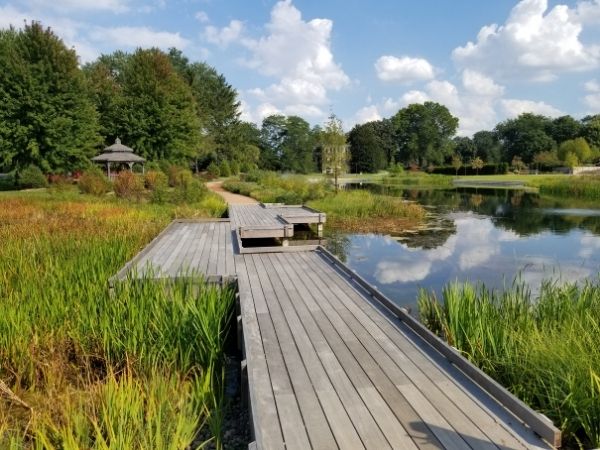
Our department’s plant record-keeping goals include:
- Guiding collections development and maintenance
- Increasing the aesthetic experience of visitors throughout all seasons
- Locating plant materials and interpreting data
- Providing public access to plant information
- Elevating the role of our plant collections within a multifaceted organization that includes a historic home, military museum and a golf course
Hortis gives us the tools to support these goals with precision and confidence. Whether we’re documenting existing material, planning new beds, or updating accessions in real time, we have a consistent, shared record to work from.
Looking Forward
Cantigny’s gardens and grounds remain a living legacy – born from one man’s generosity and foresight, shaped by decades of horticultural creativity, and now supported by digital tools that help us care for the tapestry of plants with deeper understanding.
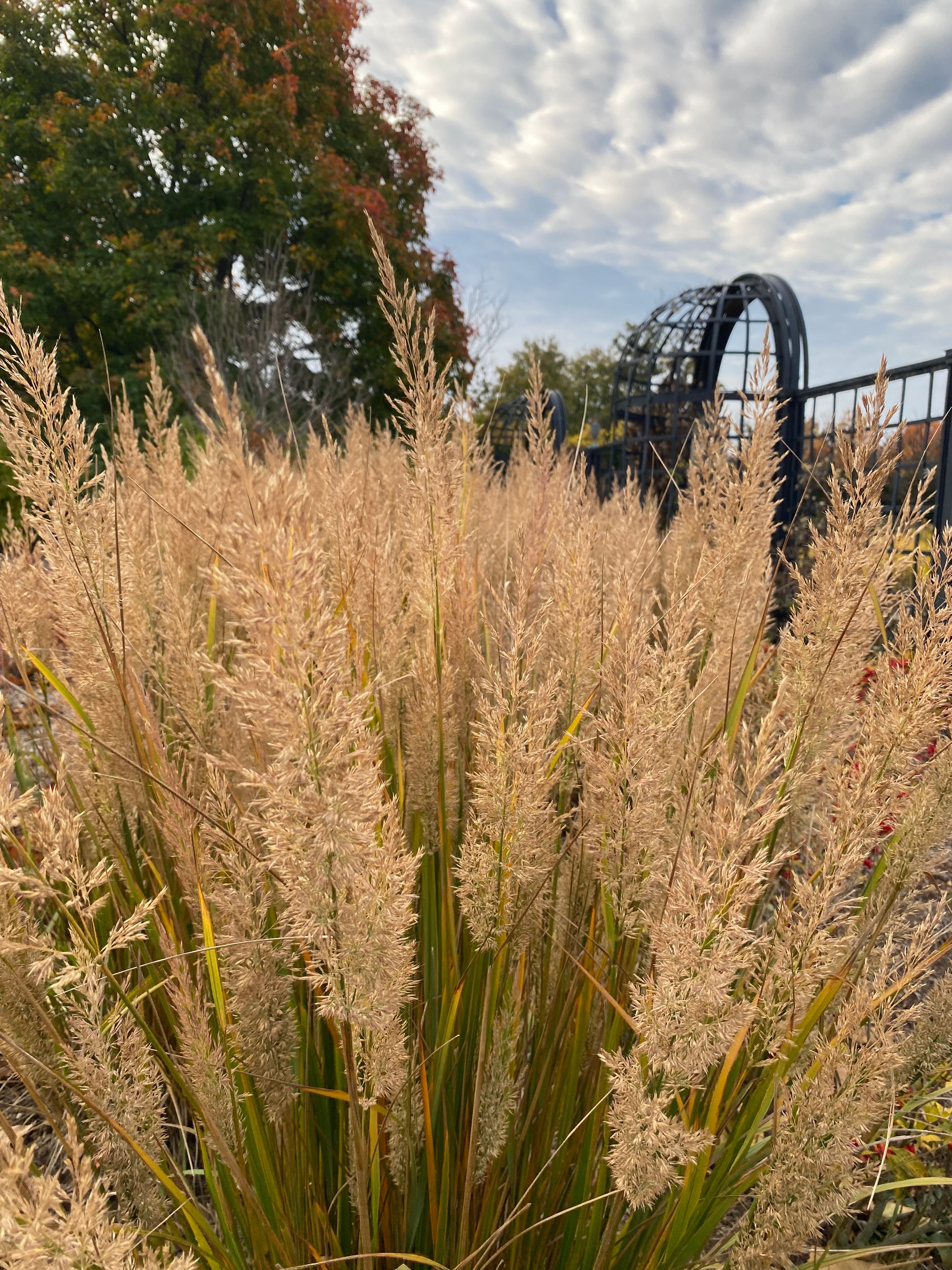
Our hope is that as Cantigny continues to grow, bloom, and welcome new generations of visitors, Hortis helps us tell the story behind every plant: where it came from, why it matters, and how it helps make Cantigny a place of beauty, learning, and inspiration.
Keep Up with Cantigny
https://www.instagram.com/cantignypark/